

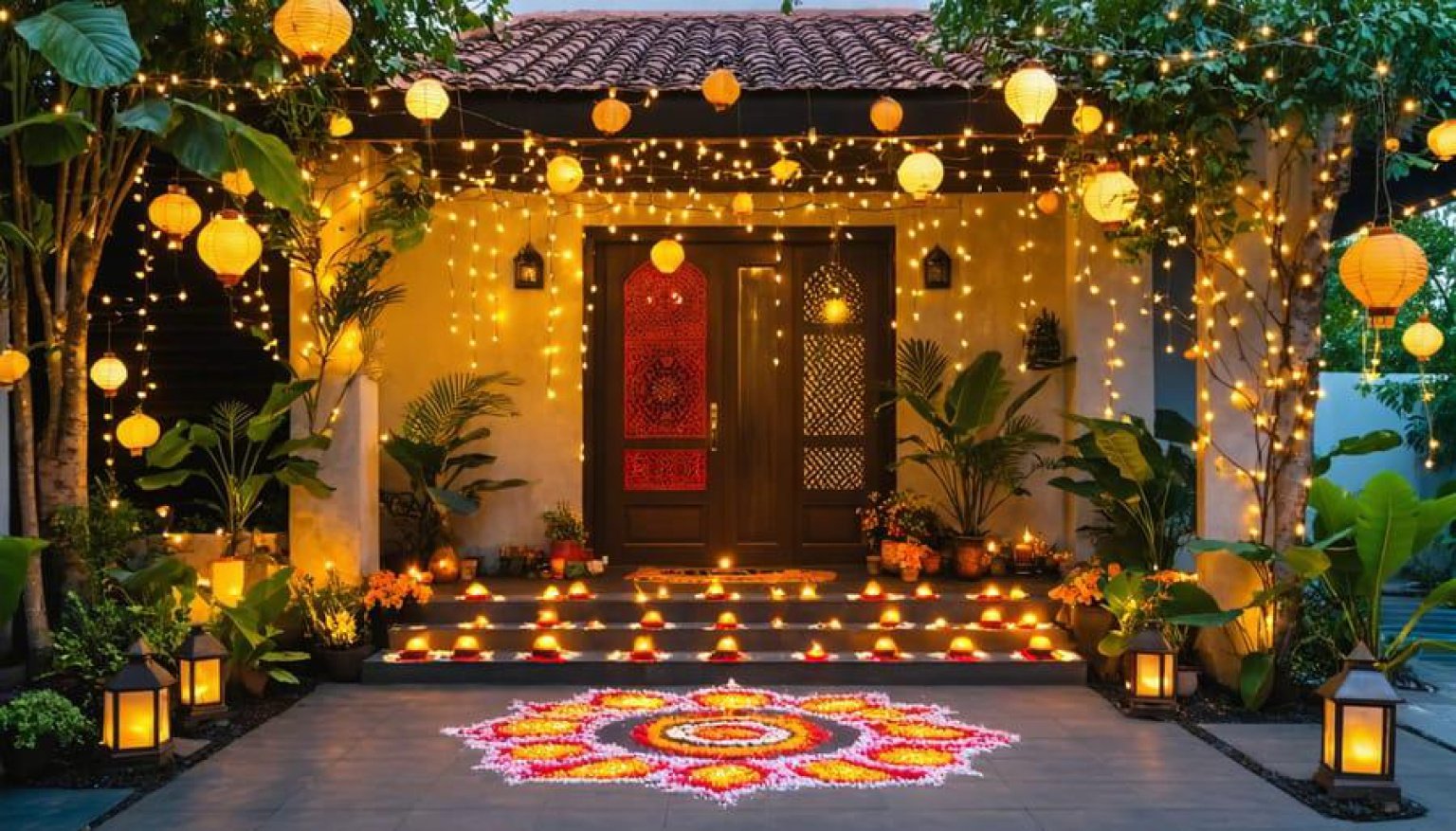
From Diwali and Thanksgiving to Christmas and New Year, smart lighting is changing how homes and public spaces are illuminated. Connected LEDs, sensors, automation and energy monitoring are bringing greater control to festive celebrations while helping reduce unnecessary electricity consumption.
Introduction: A season of lights, with a smarter approach
Festivals around the world have one thing in common: lights. From the diyas and decorative LED installations of Diwali to Thanksgiving dinners, Christmas trees and New Year celebrations, lighting plays an important role in creating the atmosphere of the occasion.
But festive lighting also brings a familiar challenge. Decorative lights often remain switched on for hours, sometimes long after people have left a room or gone to bed. Outdoor installations, illuminated balconies, gardens and elaborate decorations can add to household electricity consumption.
Connected lighting technology offers a different approach. Smart bulbs, connected LED strips, programmable controllers, motion sensors and energy-monitoring systems allow people to control lighting remotely, automate operating schedules and adjust brightness according to their needs.
The result is not simply a more colourful celebration. It is a more controlled way of using electricity. The technology also illustrates a broader development in the Internet of Things (IoT): everyday electrical devices are becoming connected systems that can communicate, respond to their surroundings and operate automatically.
1. From decorative LEDs to intelligent lighting
The transition towards energy-efficient lighting began well before smart homes became popular. LED technology replaced many traditional incandescent and fluorescent lighting applications because it produces light more efficiently and generally has a longer useful life. According to the US Department of Energy, LED lighting offers significant efficiency advantages, while its ability to dim and provide colour control makes it suitable for integration with sensors and automated control systems.
However, smart lighting takes this a step further. A conventional LED bulb primarily performs one function: producing light when switched on. A connected LED can also receive commands from a smartphone, communicate with a home automation platform, follow a programmed schedule or respond to an external sensor.
For example, a household can create separate lighting arrangements for different occasions:
- A warm, decorative lighting scene for Diwali.
- Subtle ambient lighting for Thanksgiving dinner.
- Colourful, programmable lighting for Christmas.
- Synchronized lighting effects for New Year celebrations.
These arrangements can be activated through an application, voice assistant or automated routine. The underlying technology connects lighting with the wider smart-home ecosystem.
2. Six ways smart lighting can reduce electricity waste
Smart lighting does not automatically consume less electricity than conventional LED lighting. Its energy-saving potential comes primarily from controlling when lights operate and how much illumination they provide. Several technologies make this possible.
A. Automated schedules: Lights operate only when needed
One of the simplest applications of smart lighting is scheduling. Instead of manually switching decorative lights on and off, users can programme them to operate during specific hours. For example:
- Switch on balcony decorations at sunset.
- Activate indoor festive lighting during evening gatherings.
- Reduce illumination after guests leave.
- Switch off decorative lighting automatically at midnight.
The same approach works for Thanksgiving decorations, Christmas trees and New Year installations. The advantage is straightforward: lights are less likely to remain switched on unnecessarily.
B. Dimming: The right brightness for the occasion
Not every situation requires maximum brightness. Smart dimmable LEDs allow users to adjust illumination through an application or automation platform. A festive dinner might require soft ambient lighting, while an outdoor decorative installation may need greater brightness during peak visiting hours.
Reducing light output can reduce electricity consumption, although the actual saving depends on the LED driver, dimming technology and operating level. It is important to check that the selected LED product supports compatible dimming. Not every LED bulb or decorative string is dimmable.
C. Motion sensors: Lighting that responds to activity
Motion and occupancy sensors can automatically activate lighting when somebody enters an area. They are particularly useful for corridors and staircases, entrance passages, parking areas, garden pathways and utility spaces.
For example, a garden pathway can remain at a low illumination level and increase brightness when someone approaches. This avoids operating every decorative light at full brightness throughout the evening. Outdoor sensors should be configured carefully so that lighting remains reliable and safe.
D. Daylight sensors: Avoid unnecessary daytime illumination
Decorative lighting is often installed well before sunset, particularly during festival preparations. A daylight sensor can detect ambient light levels and prevent connected lighting from operating when sufficient natural light is available. This is especially useful for outdoor installations, balconies, gardens and building facades.
E. Remote control: Manage lighting even when away
A connected lighting system can be controlled remotely through a compatible mobile application. This is useful during the festive season when families may travel, attend gatherings or spend extended periods away from home. Users can check the status of supported devices and switch off lights that were accidentally left running.
F. Energy monitoring: Understand what consumes electricity
Some smart plugs, energy-monitoring devices and home energy management systems provide information about electricity consumption. Depending on the product, users may be able to monitor real-time power consumption, daily and monthly energy usage, consumption by individual connected devices, and historical electricity usage. This makes it easier to understand whether decorative lighting is contributing significantly to the electricity bill.
3. What does the technology look like?
Smart lighting is not a single product. It is an ecosystem of connected devices and software. A typical installation may include the following components:
| Component | Function |
|---|---|
| Smart LED bulbs | Connected illumination with brightness and colour control |
| LED light strips | Decorative and ambient lighting |
| Smart switches | Remote operation of conventional lighting circuits |
| Motion sensors | Detect movement and trigger lighting |
| Daylight sensors | Adjust lighting based on ambient illumination |
| Smart plugs | Control compatible plug-in decorative lights |
| Gateway or hub | Connect and coordinate supported devices |
| Mobile application | Configure scenes, schedules and controls |
| Energy monitor | Measure electricity consumption |
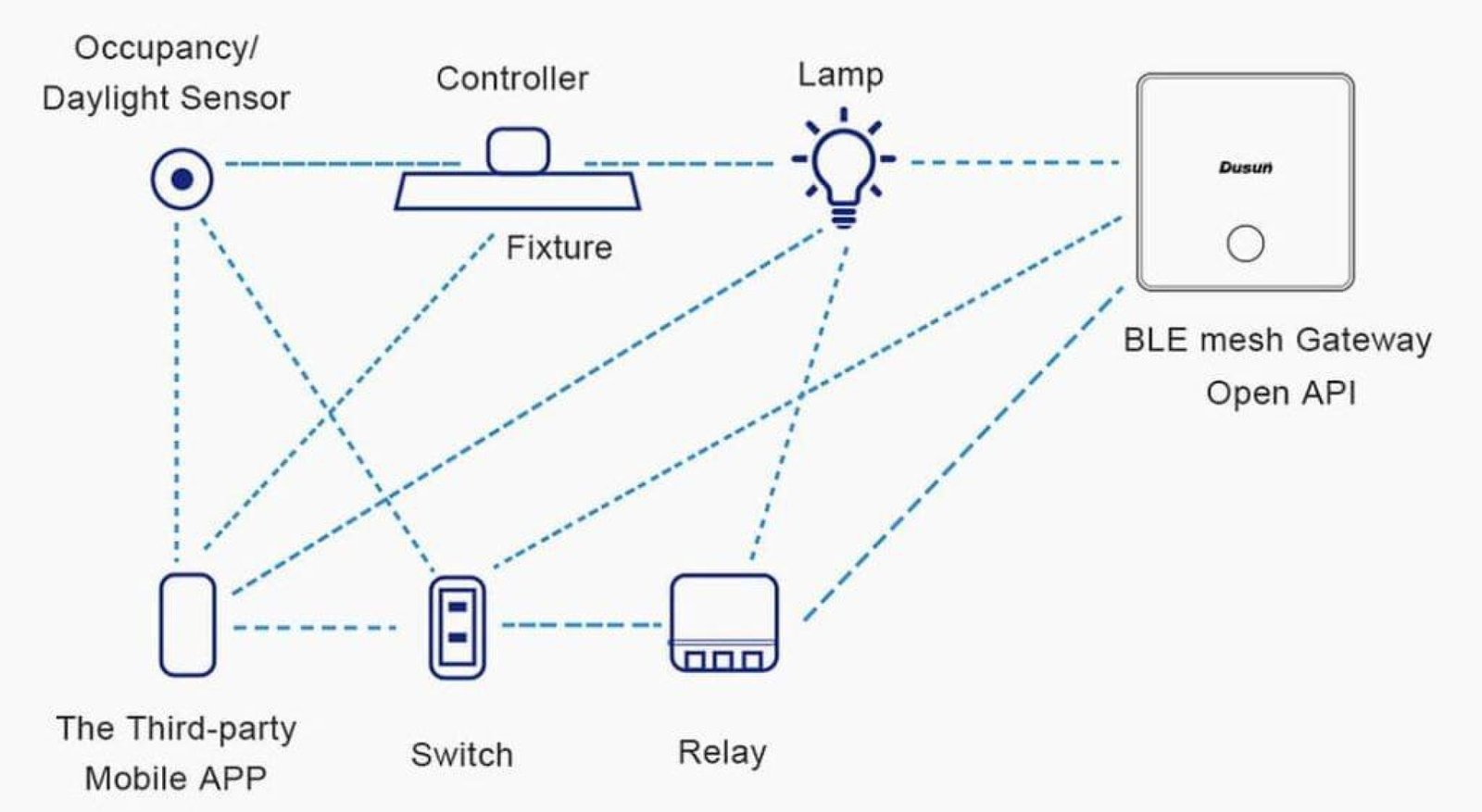
The devices communicate using technologies such as Wi-Fi, Bluetooth Low Energy, Zigbee or Thread, depending on the product and architecture. This is where lighting becomes an IoT application rather than simply a collection of remotely controlled bulbs.
4. Four festivals, four opportunities for smarter lighting
Diwali: Bringing traditional celebrations into the connected home
Diwali is closely associated with illuminated homes, diyas, decorative lights and colourful displays. Smart lighting can complement these traditions without replacing them. Households can combine traditional oil lamps with connected LED installations, automated balcony lights, colour-changing LED strips and scheduled outdoor illumination.
A possible setup could include warm-white lighting around the entrance, programmable decorative lights on balconies, motion-activated pathway illumination, automated switching for outdoor decorations, and energy monitoring for larger installations. Importantly, traditional diyas and candles should remain separate from electrical automation systems, with appropriate fire-safety precautions.
Thanksgiving: Creating the right atmosphere without over-lighting
Thanksgiving celebrations often involve family gatherings and extended dinners. Smart lighting can help create different settings for different parts of the evening — warm ambient lighting for dinner, brighter lighting for food preparation and automated schedules for decorative lights. Occupancy-based automation can also reduce unnecessary illumination in unused rooms.
Christmas: Connected trees and coordinated decorations
Christmas offers one of the most visible applications of smart decorative lighting. Connected LED strings, programmable controllers and smart plugs can coordinate indoor and outdoor decorations. A Christmas tree, window decorations and garden lighting can be grouped into a single scene. Users can schedule their operation, adjust compatible lighting effects and control installations remotely.
For larger displays, automation can also coordinate lighting sequences across multiple zones. However, outdoor installations must use appropriately rated equipment, weather-resistant connectors and suitable electrical protection.
New Year: Synchronized lighting and automated celebrations
New Year celebrations provide another opportunity for connected lighting. Programmable LED systems can create coordinated colour transitions and lighting sequences. Different rooms or outdoor zones can be controlled together, while schedules can automatically switch off decorative installations after celebrations end.
For commercial venues, hotels and public spaces, more advanced lighting-control systems can coordinate larger installations through centralised controllers. These applications demonstrate how the same IoT principles can scale from individual homes to commercial buildings and public infrastructure.
5. How much electricity can smart lighting actually save?
The most important distinction is between efficient lighting and intelligent lighting control. An ordinary LED bulb and a smart LED bulb with identical power ratings may consume broadly similar electricity when operating at the same brightness. The additional savings from smart lighting generally come from reducing operating hours, lowering brightness when appropriate and avoiding unnecessary operation.
Consider a hypothetical festive installation.
Example: A household decorative lighting setup
Assume: Total installed LED lighting load: 100 watts. Daily operating time without automation: 10 hours. Daily operating time with a scheduled routine: 6 hours. Festival duration: 10 days.
| Measurement | Without scheduling | With scheduling |
|---|---|---|
| Connected lighting load | 100 W | 100 W |
| Daily operating hours | 10 | 6 |
| Daily electricity consumption | 1 kWh | 0.6 kWh |
| Consumption over 10 days | 10 kWh | 6 kWh |
Potential electricity saving: 4 kWh over 10 days. At an illustrative electricity tariff of ₹8 per unit, this represents ₹32 in electricity savings. The example is deliberately simple — actual savings depend on the number of lights, their rated power, operating hours, dimming behaviour and the energy consumed by connected controllers and standby electronics.
The environmental benefit becomes more significant when similar practices are adopted across large residential communities, commercial buildings and public spaces.
6. India’s push towards energy-efficient lighting
India has already made substantial progress in encouraging energy-efficient lighting through government initiatives. One of the most significant programmes is UJALA (Unnat Jyoti by Affordable LEDs for All). Launched on 5 January 2015, the programme aimed to make LED lighting more accessible to households by reducing the cost barrier associated with energy-efficient lighting.
According to a Press Information Bureau update published in January 2025, more than 36.87 crore LED bulbs had been distributed, with the programme reporting annual electricity savings of approximately ₹19,153 crore. These figures demonstrate the scale at which efficient lighting can influence electricity consumption. However, UJALA’s primary focus is affordable, energy-efficient LED lighting, not app-controlled smart bulbs or connected festive decorations.
Another relevant initiative is the Street Lighting National Programme (SLNP), which supports the replacement of conventional streetlights with energy-efficient LED streetlights. The programme demonstrates how lighting efficiency and technology can be applied beyond individual households.
The role of smart meters and distribution infrastructure
India’s Revamped Distribution Sector Scheme (RDSS) also supports modernisation of electricity distribution infrastructure, including smart metering. According to the Ministry of Power’s February 2026 update, 3.90 crore smart meters had been installed under RDSS as of 31 December 2025.
Smart meters help improve electricity consumption visibility and distribution management. They do not directly control individual household lights, but they form part of the wider digital infrastructure needed for more intelligent energy management. Together, efficient LEDs, connected controls, smart meters and modern distribution infrastructure illustrate different layers of India’s transition towards more efficient electricity usage.
7. Smart lighting is also becoming a smart-city application
The benefits of connected lighting extend beyond homes. Municipalities and infrastructure operators increasingly use connected street-lighting systems to monitor lighting assets, manage operating schedules and identify faults. A connected streetlight can report its operating status to a central management platform, enabling operators to monitor individual streetlight performance, identify failed lights remotely, adjust illumination schedules and analyse electricity consumption.
The Smart City Barcelona example is an interesting illustration of how IoT-based lighting and other connected urban services can work together. Smart lighting is therefore not just a consumer convenience — it is part of a larger transformation in how cities manage electricity, infrastructure and public services.
8. Smart lighting platforms and products to watch
Several established technology ecosystems demonstrate how connected lighting is evolving.
Philips Hue
Philips Hue is one of the best-known connected-lighting ecosystems. Its product range includes smart bulbs, light strips and outdoor lighting, with features such as scheduling, colour control and integration with smart-home platforms. Philips Hue represents a mature, widely deployed example of how connected lighting can be used in residential and commercial settings.
Samsung SmartThings
Samsung SmartThings provides a broader smart-home platform through which compatible lighting devices, sensors and appliances can be coordinated. Its value lies in connecting lighting with other home automation activities rather than treating every light as an independent device. The Samsung SmartThings Hub V3 serves as the central coordinator for compatible connected devices across the home.
Tuya Smart
Tuya Smart provides IoT infrastructure used by manufacturers to develop connected products and branded smart-home applications. Its ecosystem illustrates how smart lighting is increasingly being integrated into products from multiple manufacturers. These examples represent different layers of the smart-lighting market: lighting products, home automation platforms and the underlying IoT infrastructure.
9. What should consumers consider before investing in smart lighting?
A smart lighting installation does not have to involve replacing every bulb in the house. A practical starting point is to identify the areas where automation can make a genuine difference. Before purchasing, consider the following:
- Start with LED efficiency — Choose efficient LED products with suitable brightness and power ratings. Smart connectivity should not be the only purchasing consideration.
- Check connectivity compatibility — Confirm whether the product uses Wi-Fi, Zigbee, Bluetooth or Thread, and whether an additional hub is required.
- Check dimming support — Not every LED decorative string or bulb supports dimming. Confirm product specifications before building automation routines around brightness control.
- Use schedules intelligently — Set operating hours according to actual household activity rather than leaving decorative installations running throughout the night.
- Consider outdoor safety — Outdoor lighting should use products rated for the intended weather exposure. Use appropriate electrical protection and follow manufacturer installation instructions.
- Think about interoperability — A household with multiple smart-home products should consider whether devices can operate together through a common platform or standard.
- Protect connected devices — Change default passwords, use secure Wi-Fi, install firmware updates and purchase products from manufacturers that provide ongoing security support.
10. The bigger picture: From smart bulbs to intelligent energy management
The significance of smart lighting goes beyond colourful decorations and smartphone controls. Lighting is one of the most widely distributed electrical applications in homes, offices, commercial buildings and public infrastructure. Connecting these devices creates opportunities to collect operational information, automate consumption and coordinate lighting with other building systems.
As IoT platforms mature, lighting can become part of a larger energy-management ecosystem involving smart meters, occupancy sensors, building management systems, solar installations and intelligent power distribution. For consumers, this means greater control over how and when electricity is used. For businesses, it creates opportunities to reduce operational waste and manage large lighting installations more efficiently. For cities, it offers a way to make public infrastructure more measurable, responsive and easier to maintain.
Conclusion: Celebrate brighter, use energy smarter
Diwali, Thanksgiving, Christmas and New Year may have different traditions, but they share the joy of bringing people together and illuminating homes and public spaces. Connected lighting technology offers a practical way to make these celebrations more flexible and better managed.
From automated decorative lights and motion sensors to energy monitoring and smart-city lighting networks, IoT is helping transform a familiar household activity into an intelligent application. The objective is not to reduce the joy of festive lighting. It is to reduce unnecessary electricity consumption while preserving the experience.
The future of festive lighting is not simply about making more lights glow. It is about making every light work more intelligently.
Further Reading | IOT News Portal
Explore more about the technologies and platforms behind connected lighting:
- Philips Hue – Connected lighting ecosystem
- Samsung SmartThings – Smart-home automation
- Samsung SmartThings Hub V3 – Connected device management
- Tuya Smart – IoT infrastructure for connected products
- Smart City Barcelona – How IoT is transforming urban infrastructure
Primary Research Sources
- US Department of Energy – LED Basics
- US Department of Energy – LED Lighting and Controls Guidance
- Government of India, PIB – UJALA: 10 Years of Energy-Efficient Lighting
- Government of India, PIB – Progress on Smart Meter Installation under RDSS
- Australian Government – Lighting and Energy Efficiency
Editorial note: Electricity savings in this article are illustrative calculations, not guaranteed product performance. Government programme figures are attributed to official government publications.